Neurological Test Online: What It Can Tell You and When to Seek Help
A neurological test online can feel like a useful first step when you are trying to understand memory changes, attention differences, sensory experiences, movement symptoms, or a general sense that your brain works differently from other people's. Online tools can help you organize observations, learn vocabulary, and decide what to discuss with a clinician. They cannot replace a hands-on neurological exam, urgent care, or a full neuropsychological assessment. If your goal is gentle self-understanding rather than certainty, online neurodivergent self-reflection tools can sit alongside medical guidance as one low-pressure starting point.

What a Neurological Test Online Usually Means
People use "neurological test online" in several different ways. Some mean a short symptom questionnaire. Some mean a brain function test online that checks memory, reaction time, attention, or pattern recognition. Others are looking for a neurological disorder test online because they have symptoms they cannot easily explain. A fourth group may actually want information about a clinical neurological examination, such as a full neurological examination PDF or a list of neurological tests.
Those needs overlap, but they are not the same. A questionnaire can help you notice patterns. A computerized cognitive task can offer a snapshot of performance under specific conditions. A neurodivergence screen can support self-reflection about traits such as attention, sensory processing, communication, or learning differences. A clinical neurological exam, however, checks how the nervous system is functioning through observation, physical testing, and medical history.
The safest way to think about an online neurological test is as a note-making tool. It may help you describe what you are experiencing. It may suggest what areas to learn about next. It should not be treated as a final answer about your health.
What a Clinical Neurological Exam Checks
A clinician's neurological exam is broader than most online tools because it combines conversation, observation, and physical signs. The exact exam depends on the person's symptoms, age, medical history, medications, and reason for the visit, but several domains are common.
Mental status and thinking
Mental status testing may look at orientation, attention, language, short-term memory, reasoning, mood, and how clearly someone can follow instructions. Online cognitive tasks can sometimes imitate a small part of this, such as remembering words or responding quickly to visual patterns. The missing context is important: sleep, stress, pain, device quality, distractions, medication, and anxiety can all affect a result.
Cranial nerves and senses
Cranial nerve checks may include eye movement, facial sensation, facial movement, hearing, speech, swallowing, tongue movement, and pupil response. These are difficult to assess safely online. A video visit can support discussion and observation, but it cannot reproduce every part of an in-person exam.
Movement, reflexes, coordination, and gait
Motor testing looks at strength, muscle tone, involuntary movements, and how the body moves against resistance. Reflex testing checks automatic responses. Sensory testing may involve touch, temperature, vibration, or pain. Coordination and gait testing may include balance, finger-to-nose movement, heel-to-shin movement, or walking patterns. This is why a free neurodivergent self-assessment can be useful for reflection, while a medical concern still deserves the right clinical setting.

Brain Function Test Online vs Brain Health Test Online
A brain function test online usually focuses on performance: memory, attention, processing speed, language, or visual reasoning. A brain health test online may be broader, asking about sleep, exercise, nutrition, stress, mood, learning history, or family history. A brain type test online is often less clinical and may group thinking styles into simplified profiles.
These tools can be interesting, especially when they encourage reflection without fear. The limitation is that performance is not the same as capacity. A person might score lower after a poor night's sleep, during a migraine, while using a phone with a small screen, or in a noisy room. Someone else might perform well on a brief task while still struggling with daily organization, sensory overload, speech, balance, or fatigue.
Use online scores as prompts for better questions:
- What changed recently, and what has been true for years?
- Does this happen across settings, or only under stress?
- Is the issue mainly attention, movement, sensation, speech, memory, mood, sleep, or pain?
- Is it getting better, staying stable, or getting worse?
- Would written notes, screenshots, or examples help a clinician understand the pattern?
Red Flags an Online Test Should Not Handle Alone
Searches for red flags in neurological examination often come from a very reasonable place: people want to know when symptoms are urgent. An online test is not the right tool for sudden, severe, or rapidly changing neurological symptoms.
Consider urgent medical help if symptoms are sudden, intense, or clearly unusual for you, especially with any of the following:
- face drooping, one-sided weakness, or one-sided numbness
- trouble speaking, slurred speech, or sudden confusion
- sudden vision loss, double vision, or severe dizziness with trouble walking
- a new seizure-like episode or loss of consciousness
- the worst headache you have experienced, especially if it begins abruptly
- new weakness that is spreading or getting worse
- new numbness with bladder or bowel changes
- fever with stiff neck, severe headache, confusion, or rash
- head injury followed by vomiting, confusion, worsening headache, or unusual behavior
- sudden problems with balance, coordination, swallowing, or breathing
- neurological symptoms that appear after a new medication, toxin exposure, or infection
This list is not meant to scare you. It is meant to separate self-reflection from safety. If a symptom feels urgent, choose real-time medical support rather than waiting for an online result.
Can Neuropsychological Testing Be Done Online?
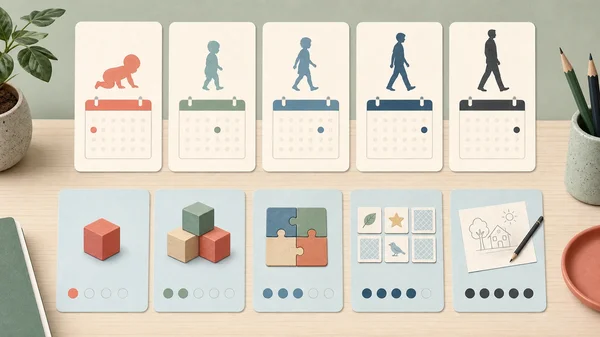
Some parts of neuropsychological testing can be delivered online, especially structured interviews, questionnaires, and certain computerized tasks. This can improve access for people who live far from specialists, have mobility limits, or need a familiar environment. Still, online delivery has limits.
A neuropsychological assessment is not just a set of quizzes. It usually depends on trained interpretation, standardized conditions, comparison with appropriate norms, behavioral observation, and careful review of medical, developmental, educational, and mental health history. Internet speed, device type, screen size, privacy, distractions, fatigue, and accessibility needs can all affect the process.
If you are considering online neuropsychological testing, ask practical questions before you book:
- Who will interpret the results?
- What credentials and license does the provider hold?
- Will the assessment be accepted by a school, workplace, insurer, or healthcare team?
- What device, room setup, and time commitment are required?
- How are privacy, recordings, and data handled?
- What happens if the technology fails or you need accommodations?
Online assessment can be legitimate when it is designed and interpreted carefully. It is less useful when it is presented as a quick answer without context.
Functional Neurological Disorder Online Test: What to Know
Functional neurological disorder, often shortened to FND, is another reason people search for online testing. FND symptoms are real and can involve movement, sensation, seizures-like episodes, speech, vision, walking, fatigue, or cognitive function. The important point is that FND is not something a simple online quiz can settle.
Clinicians look for patterns in the history and physical exam, and they may use tests such as imaging, EEG, EMG, or other evaluations to understand what else could be contributing. FND can also co-exist with other neurological or mental health conditions, which is one reason a careful professional evaluation matters.
If you are searching for a functional neurological disorder online test, it may be more helpful to write down:
- what the symptom looks or feels like
- when it started
- whether it changes with attention, distraction, fatigue, stress, or rest
- whether there are triggers or warning signs
- what has helped, worsened, or had no effect
- whether there are injuries, migraines, seizures-like episodes, infections, or other medical factors
That kind of record can support a better conversation than a stand-alone score.
A Practical List of Neurological Tests
A list of neurological tests can be confusing because "test" may refer to a bedside exam, a cognitive task, a lab, or imaging. Here are common categories:
| Test type | What it may look at | Why it matters |
|---|---|---|
| Neurological exam | mental status, cranial nerves, strength, sensation, reflexes, coordination, gait | maps symptoms to nervous system function |
| Neuropsychological assessment | attention, memory, language, processing speed, learning, executive function | explores cognitive strengths and challenges |
| EEG | brain electrical activity | may be used for seizure-like episodes or altered awareness |
| EMG and nerve conduction studies | muscle and peripheral nerve signaling | may be used for weakness, numbness, or nerve injury questions |
| MRI or CT | brain, spine, or structural changes | may be used when symptoms suggest a structural concern |
| Blood or other lab tests | metabolic, inflammatory, infectious, vitamin, thyroid, or autoimmune factors | may reveal non-neurological contributors to neurological symptoms |
A full neurological examination PDF can be useful for learning the vocabulary, but it should not become a do-it-yourself physical exam. Some checks need training to perform and interpret safely.
Use an Online Neurological Test as a Calm Next-Step Map
The most helpful use of an online neurological test is not to force certainty. It is to make your next step clearer. If your symptoms are mild, long-standing, or related to self-understanding, an educational screen may help you organize patterns. If you are exploring attention, sensory, communication, or learning differences, a gentle self-reflection starting point can make the process feel less overwhelming.
If symptoms are new, sudden, worsening, or affecting safety, movement, speech, consciousness, vision, or daily function, move beyond online tools. Consider speaking with a primary care clinician, neurologist, psychologist, emergency service, school support team, or another qualified professional depending on the situation.
Before an appointment, bring a simple one-page summary:
- top three concerns
- when each began
- what makes each better or worse
- medications, sleep changes, illness, injury, or stressors
- screenshots or results from any online tools
- examples from home, work, school, or relationships
- questions you want answered
That summary can turn a confusing set of symptoms into a clearer conversation.

FAQ
What are the five neurological tests?
People often mean five broad categories: a neurological exam, neuropsychological assessment, EEG, EMG or nerve conduction studies, and brain or spine imaging such as MRI or CT. A clinician may also use blood tests, vision or hearing checks, lumbar puncture, genetic testing, or other evaluations depending on the symptoms.
Can an online neurological test tell me what condition I have?
No. An online tool can help you reflect on symptoms, cognitive patterns, or neurodivergent traits, but it cannot replace a clinical evaluation. The same symptom can have many possible causes, including sleep, stress, medication effects, migraine, injury, mental health factors, neurodevelopmental differences, or medical conditions.
What are signs your brain may need medical attention?
Sudden speech trouble, one-sided weakness or numbness, facial drooping, sudden vision changes, new seizure-like episodes, severe abrupt headache, loss of consciousness, or sudden trouble walking are reasons to seek urgent help. Gradual but worsening memory, movement, sensation, balance, or thinking changes also deserve professional guidance.
Can neuropsychological testing be done online?
Some parts can be completed online when the provider uses appropriate tools, privacy practices, and interpretation standards. It works best when the process includes a clinical interview, clear instructions, accommodations when needed, and a trained professional reviewing the results in context.
Is a brain type test online the same as a neurological exam?
No. A brain type test online usually describes thinking or personality-style patterns in broad categories. A neurological exam checks nervous system function through medical history, observation, and physical signs such as movement, reflexes, sensation, coordination, cranial nerves, and gait.
What should I do after taking a neurological test online?
Save the result, write down examples from daily life, note when symptoms started, and decide whether the issue is self-reflection, routine healthcare, or urgent safety. If symptoms are new, worsening, sudden, or interfering with daily function, share your notes with a qualified professional.