Is Neurodivergent a Disability? How to Understand the Label, Rights, and Support
If you have ever searched "is neurodivergent a disability," you may have been looking for a simple answer and found a complicated one. The clearest short answer is: not always, but sometimes yes. Neurodivergent is a broad identity and umbrella term for brains that process, learn, communicate, focus, sense, or regulate differently from what is considered typical. Disability is a different kind of word. It can describe lived barriers, support needs, and sometimes a legal category. For self-reflection, a free neurodivergent self-reflection tool can help you notice patterns, but it cannot decide your legal status or replace a qualified professional's evaluation.

The Quick Answer: Neurodivergent Is Not Automatically a Disability
"Neurodivergent" is not a single medical condition. It can include autism, ADHD, dyslexia, dyscalculia, dyspraxia, Tourette syndrome, sensory processing differences, and other forms of cognitive or neurological difference. Some people also use the word more broadly for patterns that affect attention, communication, learning, movement, emotional regulation, or perception.
Because the word is broad, it does not automatically mean disability. One neurodivergent person may feel mostly well matched to their life, workplace, school, and relationships. Another person with a similar label may face daily barriers that substantially affect learning, working, communicating, self-care, or participating in ordinary activities.
So the better question is not only "is neurodivergence a disability?" It is also "in what context, for whom, and compared with what demands?" A quiet home office, flexible schedule, clear written instructions, and supportive relationships can reduce disability-related barriers. A noisy classroom, unclear job expectations, unpredictable changes, or social pressure to mask can make the same traits much harder to manage.
Why Neurodivergence and Disability Are Different Kinds of Labels
Neurodivergence is often an identity and descriptive term. It names the reality that minds vary. It also helps people move away from language that treats every difference as a defect. Many neurodivergent people value the word because it can hold both strengths and challenges at the same time.
Disability, by contrast, usually points to limitation, access, or rights. In everyday conversation, a person may use disability to describe the way their traits affect daily life. In school, employment, public services, or benefits systems, disability may have a specific definition. Those definitions vary by country, program, school system, and workplace policy.
This is why two statements can both be true:
- Neurodivergence is a natural part of human diversity.
- Some neurodivergent people are disabled, need accommodations, or qualify for disability-related protections.
The first statement protects dignity. The second protects access. You do not have to choose between them. A strengths-based view does not erase real support needs, and needing support does not erase ability, intelligence, creativity, or autonomy.
When Neurodivergence May Be Considered a Disability
Neurodivergence may be considered a disability when a person's traits or related conditions substantially limit important daily activities, especially when environments do not offer enough flexibility or support. In the United States, disability law often focuses on whether a physical or mental impairment substantially limits one or more major life activities, such as learning, reading, concentrating, thinking, communicating, working, sleeping, or caring for oneself. This article is educational, not legal advice, but that framework explains why context matters so much.
For example, ADHD may involve attention regulation, time management, task initiation, working memory, emotional intensity, or impulsivity. For one person, those traits may be manageable with structure and a fitting role. For another, they may interfere with work, school, finances, or relationships enough to require formal support.
Autism may involve sensory sensitivity, communication differences, routines, social energy limits, intense interests, or different ways of processing information. Some autistic people need little day-to-day support. Others need substantial communication, sensory, educational, or daily-living support. Both experiences are real.
Learning disabilities can also sit within the neurodivergent umbrella. Dyslexia, dyscalculia, and dysgraphia may affect reading, math, writing, or written expression. That means the question "is neurodivergence a learning disability?" is slightly backwards. Neurodivergence is the larger umbrella; a learning disability can be one form of neurodivergence.
If you are trying to understand your own patterns, an educational neurodivergent screening may give you language for reflection. For school accommodations, workplace adjustments, disability benefits, or formal records, you may need documentation from the relevant professional, institution, or agency.
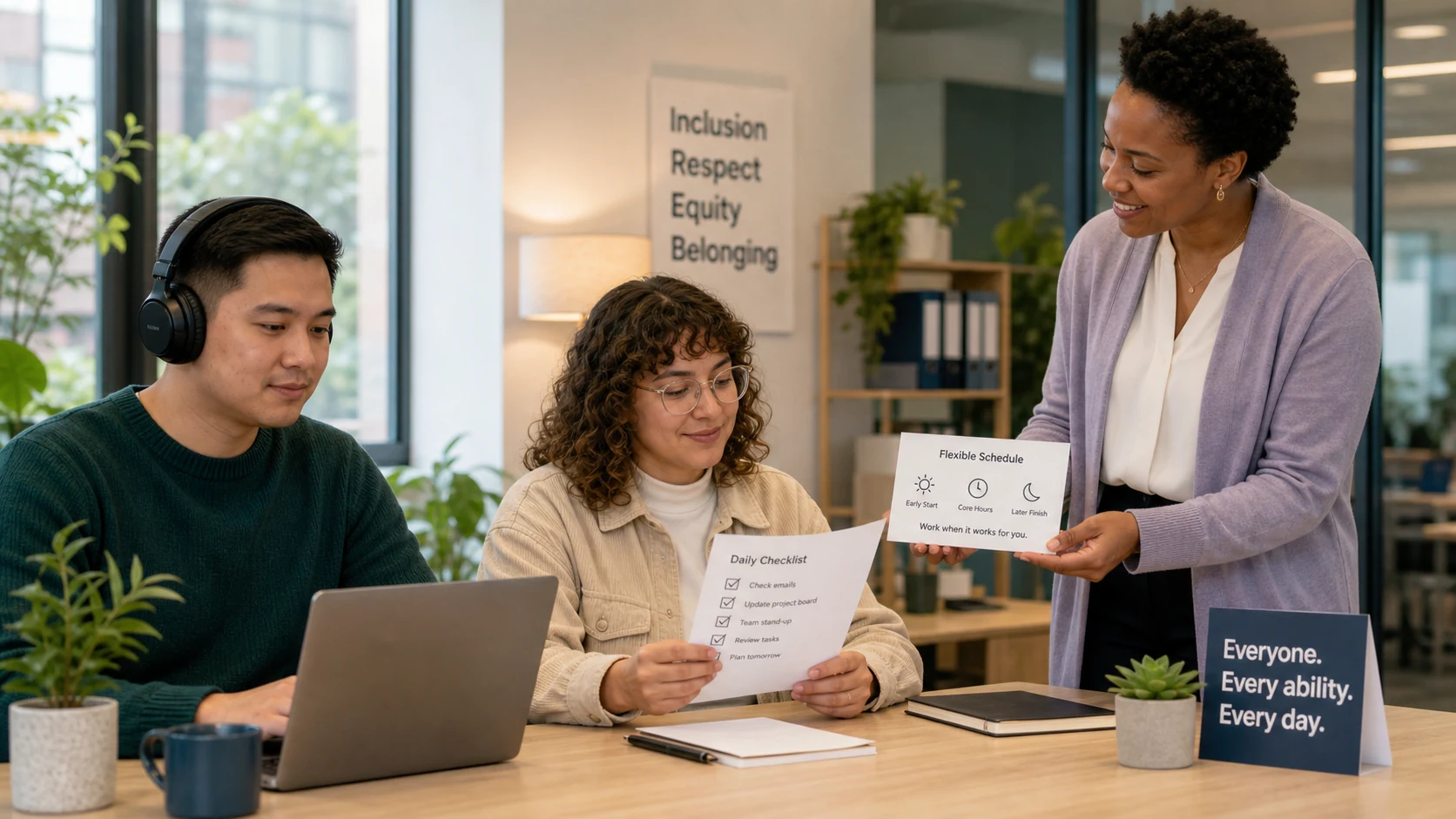
Examples: When the Same Trait Can Be Strength, Difference, or Barrier
Many neurodivergent traits are not purely good or bad. Their impact depends on the task, environment, support, and the person's own energy that day.
A person with strong pattern recognition may be excellent at spotting errors in data, design, music, or systems. In a role that values deep focus, that trait can be a strength. In a role full of interruptions and vague priorities, the same nervous system may become overloaded.
A person who prefers routine may bring reliability, precision, and careful planning. When changes are communicated early, they may adapt well. When plans shift suddenly without explanation, the person may feel disoriented, anxious, or unable to transition smoothly.
A person who communicates directly may reduce confusion and say what others are afraid to say. In a culture that values clarity, this can be useful. In a culture built around hints, sarcasm, or hidden expectations, it may lead to misunderstandings.
Sensory sensitivity can also cut both ways. Some people notice sound, light, texture, taste, or smell with unusual precision. That can support creative, technical, or caregiving work. But harsh lighting, overlapping noise, scratchy clothing, crowded spaces, or constant alerts can create exhaustion and avoidance.
This is why "what is a neurodivergent disability?" does not have one universal answer. It may describe a neurodevelopmental or cognitive difference that becomes disabling in certain contexts, or a formally recognized condition that affects major parts of daily life. The important point is to look at the actual person, not the stereotype.
Can You Get Disability Support for Being Neurodivergent?
Sometimes, but usually not because of the word neurodivergent by itself. Benefits, accommodations, school services, and workplace protections generally look for specific functional impacts, records, evaluations, or documentation. The exact process depends on your country, state, school, employer, or benefit program.
For workplace or school support, it can help to describe needs in practical terms:
- "I understand instructions better when they are written down."
- "I work best with advance notice before schedule changes."
- "Noise makes concentration difficult, so a quieter space helps."
- "I need tasks broken into clear steps and deadlines."
- "A predictable meeting agenda helps me participate."
These statements focus on access rather than proving worth. They also make it easier for another person to respond with useful adjustments.
For benefits or formal disability services, the bar is usually higher than self-identification. You may need records showing how your traits affect daily activities over time. If you are unsure what applies, consider asking a qualified clinician, disability services office, workplace accommodation specialist, legal aid organization, or benefits adviser in your area.
How to Cope With Being Neurodivergent Without Flattening Yourself Into a Label
The goal is not to decide whether you are "disabled enough" or "not disabled enough" in every possible situation. A more useful goal is to understand what helps you function, recover, communicate, and participate.
Start with a pattern journal. For one or two weeks, track moments when life feels smoother or harder. Note the environment, task type, sensory load, social expectations, sleep, transitions, hunger, time pressure, and emotional demand. Patterns often become clearer when they are outside your head.
Next, separate traits from barriers. "I am bad at work" is too broad. "I lose track of multi-step verbal instructions in noisy rooms" is actionable. "I hate change" may be less precise than "I need a short written preview before plans shift." Precision reduces shame and points toward support.
Then experiment with low-risk adjustments. Try written reminders, visual timers, quiet work blocks, body-doubling, sensory tools, smaller task steps, transition buffers, scripts for difficult conversations, or a weekly reset routine. Keep what helps and drop what does not. No single strategy works for every neurodivergent person.
Finally, protect your energy. Masking, overexplaining, and pushing through overload can look successful from the outside while quietly draining you. Rest, boundaries, and recovery time are not failures. They are part of sustainable self-management.
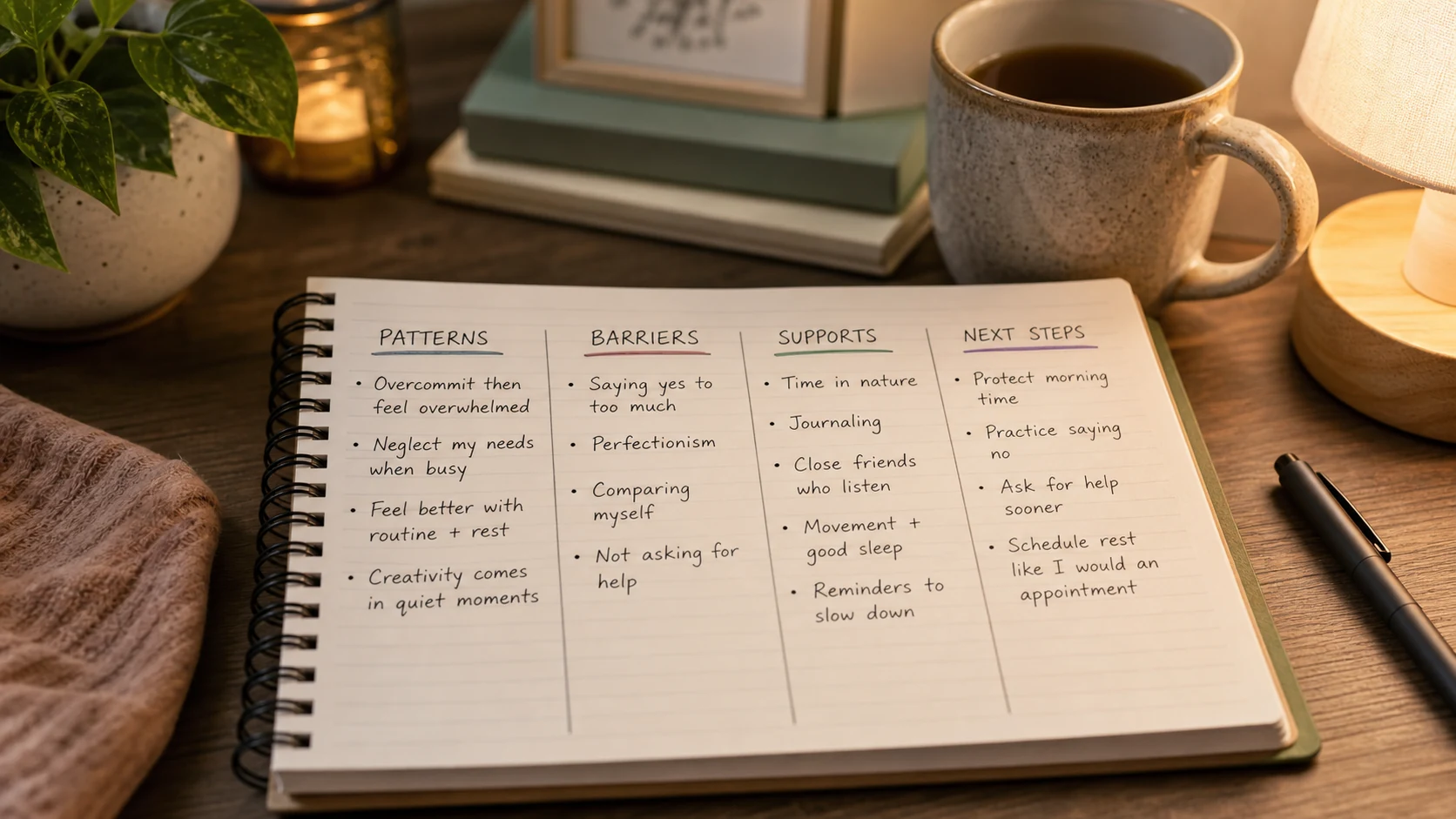
A Practical Way to Decide What Support You May Need
If the question "is neurodivergent a disability" feels personal, try answering it in layers rather than forcing a single label.
First, ask about identity: does the word neurodivergent help you describe your experience with less shame and more accuracy? If yes, it may be useful language, whether or not you use disability language.
Second, ask about functioning: what activities are meaningfully affected? Think about learning, reading, working, communicating, planning, regulating attention, handling change, sensory environments, relationships, sleep, and daily routines.
Third, ask about environment: which barriers make things harder than they need to be? Look for noise, unclear expectations, rushed transitions, inaccessible communication, rigid schedules, or social assumptions.
Fourth, ask about support: what would make participation more realistic? This might be a small personal strategy, a conversation with a teacher or manager, a formal accommodation request, or a professional evaluation.
If you want a low-pressure starting point, Neurodivergent Test offers a gentle starting point for self-understanding. Use the result as a reflection tool, not a final answer. The most useful outcome is not a perfect label. It is clearer language for your strengths, challenges, boundaries, and next steps.
FAQ
Can you get disability for being neurodivergent?
Sometimes, but the word neurodivergent alone is usually not enough. Disability benefits, school services, and workplace accommodations often depend on specific functional limitations, records, professional documentation, and the rules of the relevant program. If support access matters, ask the appropriate office or qualified adviser what evidence they require.
Is neurodivergent ADHD?
ADHD is one common form of neurodivergence, but neurodivergent is broader than ADHD. A person may be neurodivergent because of ADHD, autism, dyslexia, dyscalculia, Tourette syndrome, sensory processing differences, or another pattern of neurological or cognitive difference.
Is neurodivergent autism?
Autism is commonly included under the neurodivergent umbrella, but the two terms are not identical. Many autistic people identify as neurodivergent, and many neurodivergent people are not autistic. The umbrella term is useful because it can include multiple neurotypes and overlapping experiences.
Is a learning disability neurodivergent?
Often, yes. Learning disabilities such as dyslexia, dyscalculia, and dysgraphia are commonly discussed as forms of neurodivergence because they involve differences in how the brain processes information. They may also be disabilities when they substantially affect learning, reading, writing, math, work, or daily participation.
How do neurodivergent people deal with change?
Many neurodivergent people deal with change better when it is previewed clearly, broken into steps, and paired with recovery time. Helpful supports can include written plans, transition warnings, visual schedules, backup options, and direct explanations about why a change is happening.
How can you support or manage neurodivergent people respectfully?
Use clear communication, ask about preferences, avoid assumptions, and focus on barriers rather than character judgments. In workplaces or schools, useful supports may include written instructions, flexible timing, quiet spaces, predictable routines, agenda-based meetings, and permission to use sensory or organization tools.