How to Tell if Someone is Neurodivergent: Understanding Unique Minds
Have you ever wondered why you, a close friend, or a family member seem to experience the world completely differently than everyone else? Perhaps you’ve noticed specific sensitivities to light and sound, intense bursts of hyperfocus, or a persistent feeling of being socially "out of sync." If you are searching for answers on how to tell if someone is neurodivergent, you are taking a compassionate first step toward building profound self-awareness and understanding.
Neurodivergence is not a medical illness; it is a beautiful, natural variation in how the human brain processes information. By learning to recognize these unique cognitive patterns, we can foster deeply inclusive environments, celebrate individual strengths, and provide the right support when challenges arise. In this guide, we will break down the common signs of neurodiversity and offer actionable steps for exploration. If you are ready to gain immediate insights into your own cognitive profile, consider taking a free, science-informed Neurodivergent Test.
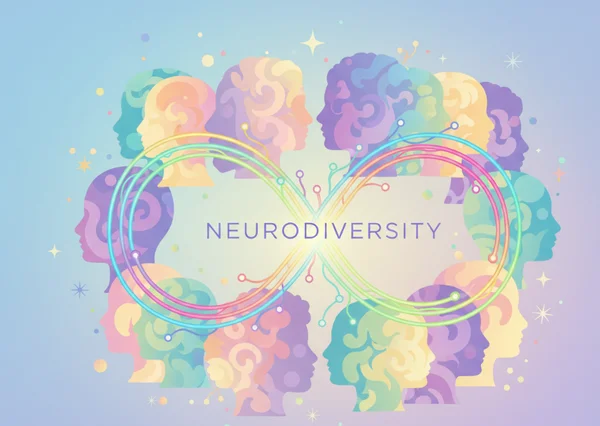
What Does It Mean to Be Neurodivergent?
Before looking for specific signs, it is crucial to understand the language we use. The term "neurodivergent" is an empowering, overarching umbrella term. It describes individuals whose brains function, learn, and process emotional and sensory information differently than what is considered "typical" (neurotypical).
This broad category respectfully encompasses several well-known conditions, including Autism Spectrum Disorder (ASD), Attention-Deficit/Hyperactivity Disorder (ADHD), dyslexia, dyspraxia, and Tourette Syndrome. Rather than focusing purely on deficits or what needs to be "fixed," the neurodiversity paradigm emphasizes that these neurological differences are natural. They often bring incredible, unique strengths—such as out-of-the-box problem-solving, deep empathy, and unparalleled creativity—alongside specific, recognizable everyday challenges.
Key Signs: How to Tell if Someone is Neurodivergent
There is no single, definitive checkbox for neurodivergence, as every individual's brain is uniquely wired. However, researchers and the neurodivergent community have identified several common patterns across different types of neurodivergence. Recognizing these traits in yourself or a loved one can be incredibly validating.
Sensory Processing Differences
One of the most instantly recognizable indicators relates to how a person processes sensory input. A neurodivergent individual might be hyper-sensitive (over-responsive) to their environment. This can look like becoming intensely overwhelmed, irritable, or physically pained by bright fluorescent lights, loud sudden noises, or the texture of specific fabrics.
Conversely, they might be hypo-sensitive (under-responsive), actively seeking out intense sensory experiences like deep pressure hugs, constant movement, or chewing on objects. If someone frequently needs to wear noise-canceling headphones in standard public spaces just to feel regulated, it is a strong sign of a unique sensory profile.
Social and Communication Patterns
Navigating the neurotypical social world can often feel like trying to speak a foreign language without a dictionary. You might notice that someone struggles continually with the unspoken rules of casual small talk, finding it exhausting or entirely pointless.
They may take sarcastic remarks or metaphors entirely literally. Alternatively, they might engage heavily in "masking"—the exhausting process of intensely studying and mimicking neurotypical behaviors (like forcing eye contact or suppressing natural conversational rhythms) simply to fit in and avoid social rejection. A heavy reliance on masking often leads to severe social burnout.
Executive Functioning and Focus
Another major area of divergence involves executive functioning—the brain's management system. While a neurodivergent person might struggle immensely to initiate mundane tasks, adhere to strict daily routines, or organize a physical workspace, they might also possess the brilliant ability to "hyperfocus." Hyperfocus is an intense, almost unbreakable state of total concentration on a specific, passionate interest, sometimes lasting for hours on end, to the exclusion of basic needs like eating or sleeping.

How to Support a Neurodivergent Partner or Child
If you are reading this because you want to actively support a newly exploring partner or a child, your empathy is their greatest asset. The most vital step is listening without judgment. Do not try to force them to conform to neurotypical standards of behavior, such as demanding they sit perfectly still if they need to fidget to concentrate.
Educate yourself on their specific needs. Ask them what accommodations make them feel safest—whether that means turning down the lights, giving them clear, direct communication without subtext, or simply allowing them "quiet time" to decompress after a socially demanding event. Validating their lived experience is far more powerful than trying to "fix" them.
The Importance of Self-Exploration and Professional Insight
Discovering that you might be neurodivergent is often described as finding the missing puzzle piece to your entire life. Suddenly, decades of feeling "different" finally make complete, logical sense. However, navigating the overwhelming volume of information on platforms like TikTok or Reddit can leave you feeling confused about what is truly accurate.
Taking a Preliminary Neurodivergent Test
If you are seeking a structured, science-informed starting point, consider utilizing a dedicated self-reflection tool. Taking an online, 10-question Neurodivergent Test is an incredibly low-barrier, confidential way to map out your specific behavioral and emotional patterns.
While absolutely not a replacement for a formal clinical diagnosis, this type of structured assessment provides a highly clarifying summary of your distinct traits. If you choose to explore further, an optional AI-personalized report can offer deep, tailored insights into your exact strengths and practical everyday accommodations. This empowers you with the concrete vocabulary needed to finally advocate for yourself, whether at school, in the workplace, or when seeking a formal evaluation from a qualified mental health professional.
Conclusion
Understanding how to tell if someone is neurodivergent is largely about shifting our perspective from judgment to profound curiosity. By recognizing unique sensory needs, communication styles, and brilliant hyper-focus capabilities, we move toward a deeply inclusive world. If you suspect that your brain—or the brain of someone you deeply love—is beautifully wired differently, embrace that exploration. It is the first step toward living a truly authentic, supported, and richer life. Whenever you are ready to begin mapping your unique neurological profile, the neurodiversity assessment tool is here to empower your journey.
Frequently Asked Questions
Is neurodivergence a mental illness?
No. Neurodivergence is a natural variation in the human genome, much like naturally having left-handedness or different colored eyes. While neurodivergent individuals absolutely can experience co-occurring mental illnesses (like severe anxiety or depression, often heavily resulting from societal stress), the neurodivergence itself is a fundamental brain structure, not a disease to be cured.
Can you be neurodivergent without having Autism or ADHD?
Yes. While Autism and ADHD are the most frequently discussed conditions under the umbrella, the term neurodivergent also highly accurately applies to individuals with learning differences like dyslexia (difficulty with reading processing), dyscalculia (difficulty with numbers), dyspraxia (difficulty with motor coordination), and Tourette Syndrome.
What should I do if I think I am neurodivergent?
Start by heavily researching credible, lived-experience resources and community forums to see if their stories heavily resonate with yours. Taking a secure, highly structured online evaluation can help organize your thoughts. If your traits are causing significant distress in your daily life, the best next step is seeking out a formal evaluation from a licensed psychologist or psychiatrist who specifically specializes in adult neurodiversity.
How can I make my workplace more neuro-inclusive?
Inclusive professionals can start by offering highly flexible work environments. This includes allowing the use of noise-canceling headphones, providing clear, written instructions instead of vague verbal requests, permitting flexible hours to accommodate burnout, and fundamentally focusing on the quality of a person's output rather than demanding they conform to traditional, neurotypical office social hours.
Does masking mean someone is lying about who they are?
No. Masking is a trauma-informed survival strategy, not an act of intentional deception. Neurodivergent individuals mask to protect themselves from heavy social bullying, employment discrimination, and systemic alienation. It is an incredibly exhausting effort to manually simulate neurotypical behaviors just to survive in an unaccommodating world.