ADHD OCD Autism Test: How to Understand Overlapping Traits Online
Searching for an adhd ocd autism test often starts with a very human question: "Why do these patterns in my attention, routines, anxiety, sensory life, or social energy feel so hard to explain?" An online quiz can be a useful first step, especially when you want language for experiences that have felt confusing for years. It cannot give a clinical answer, but it can help you notice which traits deserve closer reflection. If you want a gentle place to begin, the free neurodivergent self-assessment on Neurodivergent Test can support that first round of self-observation while you keep the bigger picture in mind.
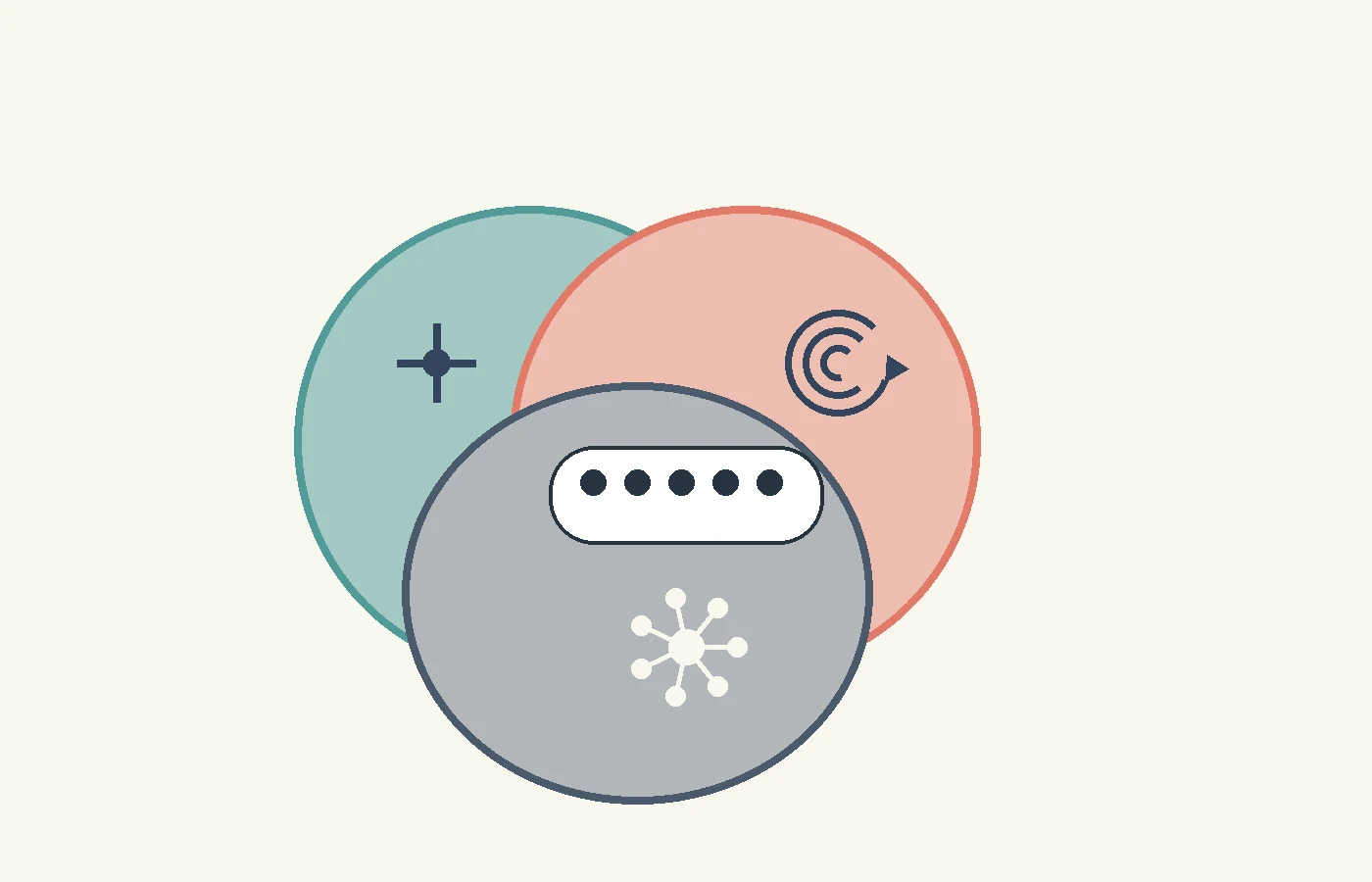
Why ADHD, OCD, and Autism Can Feel Hard to Separate
ADHD, OCD, and autism can overlap because they all affect real-life patterns, not just isolated symptoms. A person may struggle with transitions, repeat certain behaviors, feel overwhelmed by sensory input, lose track of time, or need routines to feel steady. From the outside, those experiences may look similar. From the inside, the reason behind them can be very different.
ADHD is commonly linked with attention regulation, impulsivity, executive function, time awareness, restlessness, and difficulty sustaining effort on tasks that are not engaging. Autism is often discussed through social communication differences, sensory processing differences, strong interests, repetitive patterns, and a need for predictability. OCD is usually centered on unwanted intrusive thoughts and repetitive actions or mental rituals that temporarily reduce anxiety.
That distinction matters because behavior alone does not tell the whole story. Rechecking a lock might be an OCD compulsion if it is driven by intrusive fear and temporary relief. Repeating a route might be an autistic need for predictability. Forgetting the lock entirely might reflect ADHD-related distractibility. A thoughtful adhd ocd autism test should help you reflect on the pattern, trigger, and emotional function behind the behavior.
What an Online Test Can and Cannot Tell You
An online screening-style quiz can help you organize observations. It may ask about attention, routines, social effort, sensory overload, emotional regulation, and repetitive behaviors. Good tools use cautious language because a short self-report cannot capture childhood history, context, masking, trauma, anxiety, sleep, medication effects, learning differences, or day-to-day impairment.
What a quiz can do well:
- Give you vocabulary for patterns you may want to track.
- Help you compare ADHD-like, autism-like, OCD-like, and broader neurodivergent traits.
- Encourage calmer reflection instead of endless searching.
- Give you notes to bring to a qualified professional if you choose that path.
What a quiz cannot do:
- Replace a full clinical evaluation.
- Separate every overlapping trait with certainty.
- Explain whether stress, sleep, grief, trauma, anxiety, or another factor is contributing.
- Tell you which support plan is right for your life.
This is why free autism test for adults, autism and adhd test for adults, and autism adhd test free results searches should be treated as starting points. The goal is not to force yourself into a label. The goal is to gather clearer observations about what happens, when it happens, how long it has been present, and what support might help.
A Practical Trait Map for ADHD, OCD, and Autism
When traits overlap, it helps to sort them by the "why" behind the pattern.
| Pattern you notice | ADHD angle | Autism angle | OCD angle |
|---|---|---|---|
| Trouble starting tasks | Difficulty initiating, prioritizing, or sustaining attention | Task may be unclear, too open-ended, or sensory-demanding | Fear of doing it wrong may trigger avoidance or checking |
| Repetition | Repeating because of boredom, stimulation, or forgetfulness | Repetition may feel regulating, predictable, or joyful | Repetition may be done to reduce fear or neutralize intrusive thoughts |
| Social fatigue | Losing focus, interrupting, or missing cues during fast conversation | Masking, sensory load, or decoding social rules can be tiring | Fear of saying the wrong thing may lead to reassurance seeking |
| Strong routines | External structure may compensate for executive function strain | Predictability may reduce overload and support regulation | Rituals may feel required to prevent feared outcomes |
| Sensory overwhelm | Distractibility and low filtering can make environments hard to manage | Sensory input may be intense, painful, or hard to integrate | Sensory concerns may attach to contamination fears or compulsive rules |
This map is not a scoring system. It is a reflection tool. One person may see more than one column in the same situation. For example, someone might be autistic and ADHD, while also experiencing OCD symptoms during periods of high stress. Another person may score high on a free autism test because anxiety, compulsive checking, or attention overload makes social and sensory life feel harder than usual.
How to Use a Free Autism and ADHD Test More Wisely
If you use a neurodivergent trait screening tool, slow down before you interpret the results. Your answers are most useful when they reflect your typical patterns, not just your worst day.
Try this simple process:
- Answer based on the last several months, not one intense week.
- Note whether a trait has been present since childhood, appeared after a stressful period, or changes with sleep and workload.
- Write down examples instead of only choosing a score. "I avoid parties" is less useful than "I avoid parties because overlapping sound makes it hard to think."
- Separate preference from distress. Enjoying a routine is different from feeling forced into a ritual by fear.
- Look for impact. Ask whether the pattern affects work, school, relationships, health, rest, or basic daily tasks.
This approach is especially important for adults, women, and non-binary people who may have spent years masking. A "do I have autism or ADHD quiz female" search often comes from someone whose traits were missed because they looked organized, quiet, high-achieving, or socially capable on the surface. The question is not whether you match a stereotype. The better question is what effort it takes to appear okay, and what support would reduce that cost.
Why "Neurology Test Online" Searches Can Be Misleading
Some people search for a neurology test online, neurological test online, online neurological test, or neurological disorder test online when they want a single answer for attention, compulsions, sensory overwhelm, and social differences. The wording is understandable, but it can blur categories.
ADHD and autism are neurodevelopmental conditions. OCD is often described as a mental health condition involving obsessions and compulsions, though brain circuits and biology are part of the research picture. A neurologist may be involved for some concerns, but many evaluations for ADHD, OCD, autism, anxiety, learning differences, and related traits involve psychologists, psychiatrists, developmental specialists, primary care clinicians, therapists, or multidisciplinary teams.
Online tools are not neurological exams. They do not observe your behavior across settings, review your developmental history, rule out medical contributors, or compare several validated measures. They can still be helpful if you use them as a structured journal prompt. If your results surprise you, the next useful step is usually not another dozen quizzes. It is collecting examples, noticing patterns over time, and considering whether a professional conversation would help.
When OCD-Like, ADHD-Like, and Autism-Like Traits Need Extra Care
Some experiences deserve more support than a self-check can provide. Consider reaching out to a qualified professional if intrusive thoughts feel frightening or hard to control, rituals take a lot of time, attention problems put your safety or livelihood at risk, sensory overwhelm leads to shutdowns or intense distress, or social exhaustion is limiting your life.
Also pay attention when traits seem to change suddenly. A lifelong pattern of sensory sensitivity or attention differences is different from a rapid change after illness, trauma, substance use, burnout, medication changes, sleep disruption, or major stress. Online screening tools cannot safely sort through all of those factors.
If you are preparing for an appointment, bring concrete notes:
- What you notice and how often it happens.
- What seems to trigger or reduce it.
- When it began.
- Whether it was present in childhood.
- How it affects daily life.
- What you have already tried.
You do not need perfect terminology. Clear examples are often more useful than trying to present yourself as a textbook case.
A Gentle Next Step for Self-Reflection
An adhd ocd autism test is most helpful when it gives you a calmer way to ask better questions. Instead of "Which label explains everything?" try asking, "Which patterns show up repeatedly, what do they cost me, and what support would make life more workable?"
If your main question is autism and ADHD, an autism and adhd test free tool may help you compare attention, social, sensory, and routine-related traits. If OCD is part of the question, add a separate reflection on intrusive thoughts, anxiety, checking, reassurance, avoidance, and rituals. If you are unsure where to begin, a calm self-reflection starting point can help you gather language before you decide whether to seek a fuller professional evaluation.
Your results do not need to be dramatic to matter. Self-understanding can begin with small observations: what drains you, what steadies you, what environments help, and which patterns have been quietly asking for attention.
FAQ
Can one online test tell me whether I have ADHD, OCD, or autism?
No single online test can give a formal clinical answer. A good self-assessment can help you notice trait patterns and prepare better questions, but ADHD, OCD, and autism can overlap with each other and with anxiety, sleep issues, trauma, learning differences, and stress.
Why do autism and ADHD tests sometimes give similar results?
Autism and ADHD can both involve executive function challenges, emotional intensity, sensory sensitivity, social strain, and difficulty with transitions. The same questionnaire item may capture different underlying reasons, so results should be interpreted as clues rather than proof.
How is OCD different from autistic routines?
Autistic routines often support predictability, regulation, identity, or comfort. OCD rituals are more often driven by intrusive fears and are performed to reduce anxiety or prevent a feared outcome. In real life, the difference can be subtle, and some people experience both.
Are free autism tests for adults useful?
They can be useful as a first reflection tool, especially for adults who are exploring long-standing traits. They are less useful when treated as a final answer. The most helpful results are the ones you connect to real examples from your daily life.
What should I do after autism ADHD test free results feel confusing?
Pause before taking many more quizzes. Write down the patterns that stood out, collect examples from different settings, and note whether the traits are lifelong or recent. If the patterns affect daily life, consider discussing them with a qualified professional.
Is an online neurological test the right place to start?
If you are worried about new neurological symptoms, sudden changes, seizures, fainting, severe headaches, or other medical concerns, contact a healthcare professional. If your question is about long-standing attention, sensory, social, or repetitive patterns, a neurodivergent self-assessment may be a gentler first reflection step.