Support Your Neurodivergent Partner: Take Our Neurodivergent Test & Build Stronger Bonds
Loving someone means wanting to understand their world. When your partner is neurodivergent, that world might be wired a little differently, full of unique strengths, intense passions, and distinct challenges. Learning how to support your neurodivergent partner isn't about "fixing" them; it's about building a bridge of empathy and adapting your connection to celebrate who they truly are. Many people start this journey by asking, what are the signs of being neurodivergent? Often, the initial step to gaining clarity is to take a neurodivergent test. This question is a beautiful starting point for fostering a deeper, more authentic relationship.
Understanding your partner's unique neurological profile is the first step toward a stronger bond. It can transform confusion into compassion and frustration into collaboration. By exploring these differences together, you open the door to a partnership built on profound acceptance and mutual respect. For many, this journey begins with a simple, accessible tool. You can start exploring now to gain valuable insights that can illuminate your path forward.
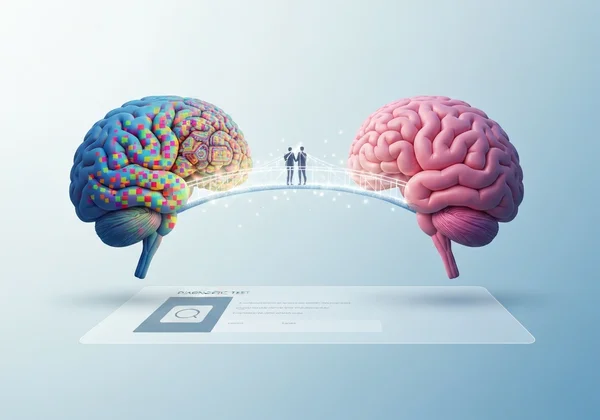
Understanding Unique Neurodivergent Relationships & Communication
At the heart of any strong partnership is communication, and in neurodivergent relationships, this takes on a special significance. Neurodivergent individuals, such as those with Autism or ADHD, often process information, social cues, and emotions differently than neurotypical individuals. Recognizing and respecting these differences is foundational. Instead of assuming misunderstandings stem from a lack of care, consider that you might simply be speaking different, but equally valid, neurological languages. This shift in perspective is the key to unlocking a more harmonious connection.
Navigating Different Processing Styles Together
One of the most common areas of confusion is navigating communication styles. A neurodivergent partner might interpret language very literally, missing sarcasm or subtext that a neurotypical person might naturally assume. They may also need more time to process information and formulate a response, especially in emotionally charged conversations. This isn't a sign of disinterest; it's a reflection of their brain's wiring.
Patience is your greatest tool. Give them space to think without pressure. Instead of asking, "Why aren't you saying anything?" try, "I can see you're thinking. Take the time you need." This validates their processing style and creates a safe environment for open dialogue. Recognizing these patterns is a huge step, and tools designed to highlight potential traits can be a great conversation starter. You can discover these traits together.
The Power of Direct Communication and Clarity
For many neurodivergent people, clarity is kindness. Vague statements, hints, or expecting them to "read between the lines" can cause significant anxiety and confusion. Practicing direct and explicit communication can eliminate countless misunderstandings and build a foundation of trust.
Instead of saying, "The trash is getting full," a more effective approach would be, "Could you please take the trash out before dinner?" This removes ambiguity and sets a clear expectation. This isn't about being demanding; it's about providing the clarity your partner needs to feel secure and successful in the relationship. These clear support strategies foster a predictable and safe emotional landscape for both of you.
Practical Strategies for ADHD Partner Support
If your partner has or suspects they have ADHD, your support will often revolve around navigating challenges with executive functions. ADHD partner support is about being a teammate, not a manager. It’s about creating systems that work for their brain, celebrating their bursts of creative energy, and offering gentle support when focus wanes or tasks feel overwhelming. Your empathy can transform daily frustrations into opportunities for connection and shared problem-solving.
Embracing Executive Function Differences with Empathy
Executive function refers to the brain’s management system—skills like planning, organizing, initiating tasks, and regulating emotions. For someone with ADHD, this system can be unreliable. They may struggle with remembering appointments, managing clutter, or finishing projects. It is crucial to understand that this is not a moral failing or a lack of effort.
Approach these challenges with empathy and teamwork. Instead of criticism, offer collaboration. Ask, "How can we make this task easier for you?" Perhaps a shared digital calendar, visual reminders, or breaking large projects into tiny, manageable steps can help. Understanding these core challenges is key. An initial screening, like a free neurodivergence test, can provide language for these experiences. You can take the free test to learn more.
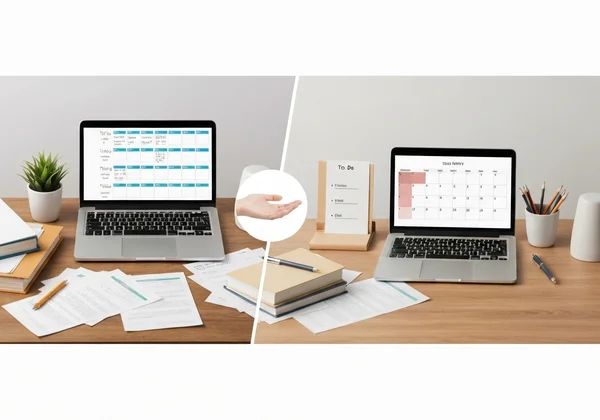
Cultivating Focus and Organization in Daily Life
Creating an environment that supports focus and minimizes distraction is a powerful act of love. This might mean setting up a dedicated, clutter-free workspace or agreeing on "focus times" where interruptions are limited. Body doubling, the simple act of being present in the same room while your partner tackles a task, can be an incredibly effective tool for maintaining focus. Find what accommodations work for both of you. Remember to celebrate small victories, as this positive reinforcement is far more motivating than criticism.
Connecting Deeply When Dating an Autistic Person
Dating an autistic person can be an incredibly rewarding experience, filled with deep loyalty, honesty, and a unique perspective on the world. Connection often flourishes through shared interests and predictable routines rather than conventional social norms. Your role as a partner is to create a safe harbor where they can unmask and be their authentic self, free from the pressure to perform neurotypical social behaviors.
Understanding and Respecting Sensory Sensitivities
Many autistic individuals experience the world with heightened sensory sensitivities. A crowded grocery store might feel like a sensory assault, a flickering light can be intensely distracting, and certain textures of food or clothing can be unbearable. These are not preferences; they are neurological realities.
Supporting your partner means becoming aware of their sensory triggers and working together to create a comfortable environment. This could involve using noise-canceling headphones in public, choosing restaurants with calmer ambiances, or being mindful of strong perfumes. By respecting their sensory needs, you are showing them in a tangible way that their well-being matters to you.

Appreciating Special Interests and the Comfort of Routine
Special interests are a cornerstone of autistic identity. These are not mere hobbies; they are areas of deep passion and expertise that bring immense joy, comfort, and a sense of order. One of the best ways to connect with your autistic partner is to show genuine curiosity about their special interests. Ask questions, listen intently, and celebrate their knowledge.
Similarly, routines are often vital for reducing anxiety and conserving mental energy. Spontaneity can be dysregulating for some autistic people. While flexibility is part of any relationship, respecting your partner's need for predictability in daily life is a profound act of care. Planning outings in advance and discussing changes to the schedule can make a world of difference. To better understand your partner, exploring these core traits is a loving first step.
Building a Foundation of Mutual Respect and Acceptance
Ultimately, supporting a neurodivergent partner comes down to a commitment to mutual respect and radical acceptance. It means unlearning societal misconceptions about how a "normal" relationship should look and feel. Your partnership is unique, and its success will be defined by your own rules, built on a foundation of empathy, communication, and a celebration of the very differences that make you who you are.
Challenging Misconceptions and Reducing Stigma Together
You and your partner are a team. This means standing together against stigma and misinformation. Educate yourselves and, when appropriate, the people around you. By embracing the principles of the neurodiversity movement, you affirm that all brain types are valid and valuable. This united front strengthens your bond and creates a powerful sense of shared identity.
Celebrating Unique Strengths and Perspectives
Neurodivergence is not just a collection of challenges; it is also a source of incredible strengths. Your partner may possess intense focus (hyperfocus), exceptional creativity, a strong sense of justice, or an ability to see patterns and solutions that others miss. Acknowledging and celebrating the strengths of a neurodivergent brain is vital. Focus on what makes your partner amazing and how their unique perspective enriches your life. This positive framing empowers them and nurtures a relationship where both partners feel truly seen and valued.
Your Journey to a Deeper, More Connected Relationship
Supporting your neurodivergent partner is a continuous journey of learning, adapting, and growing together. It requires patience, curiosity, and a willingness to let go of preconceived notions. By embracing clear communication, offering practical support, and celebrating their unique mind, you can build a relationship that is not only strong but also deeply fulfilling and authentic.
For those curious about their unique neurological profile, taking a neurodivergent test can offer valuable insights. This journey of understanding often starts with a single step. If you or your partner are curious to learn more about the beautiful spectrum of neurodiversity, a great place to start is with an accessible, informative tool. Take the Neurodivergent Test to gain personalized insights and open up a new chapter of connection in your relationship.
Frequently Asked Questions About Supporting Neurodivergent Partners
What are common signs of neurodivergence in adults that partners might notice?
Partners may notice traits like intense focus on specific interests, challenges with organization and time management (executive dysfunction), differences in social communication (e.g., directness or difficulty with small talk), or sensitivities to sensory stimuli like noise, light, or textures. It's important to remember these traits exist on a spectrum and an online screening can be a helpful first step to explore these patterns.
Can a neurodivergent person not have ADHD or autism?
Yes, absolutely. Neurodiversity is a broad umbrella term. While ADHD and Autism are the most commonly discussed, it also includes conditions like dyslexia, dyspraxia, Tourette's syndrome, and others. The core idea is that brain differences are a natural part of human variation, not inherent deficits.
How can a partner encourage their neurodivergent loved one to explore professional assessment?
Approach the conversation with empathy and without pressure. Frame it as a tool for self-understanding, not as a way to "fix" a problem. You could say, "I've been learning more about neurodiversity, and some of it reminds me of you. I was wondering if exploring it further could give you some answers or strategies to make things easier?" Stress that you will support them no matter what and that the goal is their happiness and well-being. Using a gentle, low-stakes tool like a free online test can be a great way to initiate this conversation.