Neurodivergence in Women & Non-Binary: Signs, Masking & Test
Have you ever felt like you're playing a different game than everyone else, or that your internal world operates on a unique frequency? Many women and non-binary individuals with neurodivergent traits often experience this exact feeling. Their experiences frequently go undiagnosed or misdiagnosed due to societal expectations and the subtle ways their neurological profiles present themselves.
This article explores the unique experiences of neurodivergence beyond the traditional stereotypes. We will look at hidden signs, the profound impact of "masking," and how you can begin a journey of self-understanding. If you're ready to explore what makes you unique, a great first step is a simple neurodivergence test designed to offer initial insights.
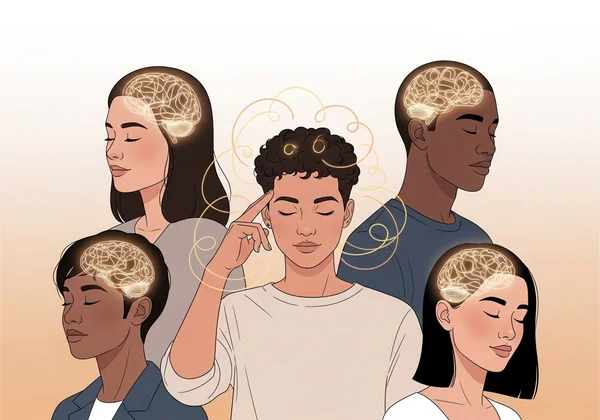
Understanding Neurodivergent Signs in Women & AFAB Individuals
Identifying neurodivergence in women and individuals assigned female at birth (AFAB) requires looking past outdated stereotypes. The signs are often quieter, more internalized, and easily mistaken for personality quirks or other mental health conditions.
The Subtle Presentation: Why Neurodivergence Is Often Missed
Historically, research on conditions like Autism (ASD) and ADHD focused almost exclusively on young boys. This created a narrow diagnostic model that looks for external behaviors like hyperactivity or visible social difficulties.
However, in women and AFAB individuals, traits often present internally. Instead of outward disruption, there might be intense internal anxiety, daydreaming, or a rich inner world that goes unnoticed. Societal pressure to be polite, organized, and socially adept encourages hiding any traits that don't fit this mold, making them invisible to parents, teachers, and even doctors.
Common Traits Beyond Stereotypes: What to Look For
If you look beyond the stereotypes, a different picture of neurodivergence emerges. Many women and non-binary people discover their neurotype by recognizing these less-discussed traits:
-
Intense, Passionate Interests: While the classic "special interest" might be trains or computers, for women it could be literature, psychology, social justice, or a specific fandom. These interests are pursued with deep focus and passion.
-
Social Exhaustion & Burnout: You might be great at socializing in short bursts but feel completely drained afterward. This "social hangover" comes from the immense effort of navigating conversations and social cues that don't come naturally.
-
High Empathy & Emotional Intensity: Contrary to stereotypes, many neurodivergent people—especially autistic women—feel intense empathy. They absorb others’ emotions so deeply it overwhelms them. This sensitivity often triggers Rejection Sensitive Dysphoria (RSD), amplifying the pain of criticism or rejection.
-
Executive Function Challenges: This doesn't always mean a messy room. It can manifest as "analysis paralysis" (being unable to start a task because it feels too big), time blindness (losing track of time easily), or difficulty switching between tasks.
-
Sensory Sensitivities: Being highly sensitive to sounds, textures, bright lights, or strong smells is a common trait. You might cut tags out of clothes, prefer quiet environments, or feel easily overwhelmed in crowded places.
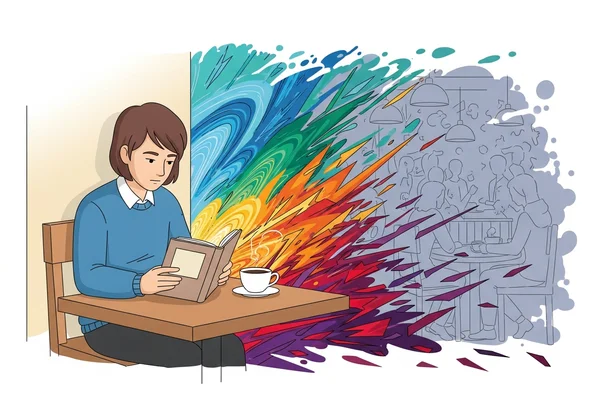
"Am I Neurodivergent or Just Anxious/Shy?" Addressing Self-Doubt
This is one of the most common questions people ask themselves. It’s a valid point of confusion because anxiety and neurodivergence are often linked. For many, anxiety is a direct result of living in a world not built for their brain.
Imagine constantly trying to solve a puzzle when everyone else was given the instructions. That effort is stressful and can easily lead to social anxiety. The difference is often in the source. Is your anxiety about a specific situation, or is it a constant hum beneath the surface, fueled by the effort of trying to fit in? Exploring this question is a key part of self-discovery. A confidential neurodivergent test can help you see which traits resonate with your experience.
Masking & Camouflaging: The Invisible Labor of Fitting In
Masking, or camouflaging, is the subconscious or conscious act of hiding neurodivergent traits to appear "neurotypical." It's a survival strategy learned early in life to avoid judgment, bullying, or being misunderstood.
The Psychological & Emotional Cost of Performing "Normal"
Masking is exhausting. It involves constantly monitoring your facial expressions, carefully scripting conversations, forcing eye contact that feels unnatural, and suppressing natural self-soothing behaviors (stims). This constant performance consumes a huge amount of mental and emotional energy.
The long-term costs are significant and can include:
- Chronic exhaustion and burnout
- A weakened sense of self or feeling like an imposter
- Increased anxiety and depression
- Delayed self-understanding and diagnosis
For many, the idea of just "being themselves" feels impossible because they've spent a lifetime performing a version of themselves they thought the world wanted to see.

How Masking Affects Diagnosis and Well-being
Effective masking is a major reason why so many women and non-binary individuals are diagnosed late in life, if at all. When you tell a doctor you struggle socially, they may not believe you because you've learned to present as perfectly capable and articulate.
This leads to misdiagnoses of conditions like generalized anxiety disorder, depression, or borderline personality disorder. While these conditions can co-exist with neurodivergence, they don't address the root cause. Without understanding their neurotype, people miss out on tailored support. Self-knowledge is key to thriving.
The Journey to Unmasking: Embracing Your Authentic Self
Unmasking is a gradual and empowering process. It doesn't mean you have to change who you are overnight. It’s about giving yourself permission to be authentic in safe environments. It could start small—allowing yourself to fidget during a meeting, saying "no" to an overwhelming social event, or sharing your true interests without fear of judgment.
This journey is about conserving your energy for what truly matters and building a life that honors your needs instead of fighting against them. A first step can be learning more about your own traits through a free neurodivergence screening tool.
Neurodivergence in Non-Binary & Gender Diverse People
The conversation about neurodivergence must be inclusive of non-binary and gender-diverse experiences. There is a significant and well-documented overlap between these communities, creating a unique intersection of identity.
Overlapping Identities: Navigating Gender and Neurotype
Both being gender-diverse and being neurodivergent involve navigating a world that operates on a set of unspoken, rigid norms. For many, the journey of questioning societal gender expectations runs parallel to questioning why their brain seems to work differently from their peers. This shared experience of "otherness" can be both challenging and affirming, leading to a deeper and more nuanced understanding of oneself.
Diagnostic Barriers and Misunderstandings in Gender-Diverse Communities
Unfortunately, gender-diverse individuals face unique barriers in getting the right support. Some medical professionals may incorrectly attribute neurodivergent traits to the experience of gender dysphoria, delaying or preventing a correct diagnosis. It is critical to find affirming healthcare providers who understand that gender identity and neurotype are separate but often interconnected parts of a person's identity.
Finding Affirming Support and Communities
For many neurodivergent and gender-diverse people, finding community is life-changing. Online spaces and local groups that celebrate both identities can provide a sense of belonging that was missing for years. These communities are places where you don't have to mask your neurotype or your gender, allowing you to exist as your whole, authentic self.
Seeking Understanding: Your Next Steps Towards Self-Discovery
If this article resonates with you, you may be wondering what to do next. Your journey of self-discovery is personal, and there is no single "right" path. The goal is to gain understanding that empowers you to live a more authentic life.
Beyond a Formal Diagnosis: The Power of Self-Identification
A formal diagnosis can be validating and provide access to accommodations, but it is not always accessible due to cost, location, and diagnostic biases. In the neurodivergent community, self-identification is widely respected as a valid and powerful step. It allows you to access community wisdom, find strategies that work for you, and reframe your life experiences through a new, more compassionate lens.
When to Consider Professional Assessment
You may decide to seek a formal assessment if you need workplace or educational accommodations, or if you simply want the clarity a professional evaluation can provide. If you choose this path, look for a professional who specializes in diagnosing adults, particularly women and gender-diverse individuals, to ensure you are seen and understood.
Empowering Your Journey with the NeurodivergentTest.org
Whether you're just starting to question things or are looking for more clarity, a preliminary screening can be a helpful, pressure-free first step.
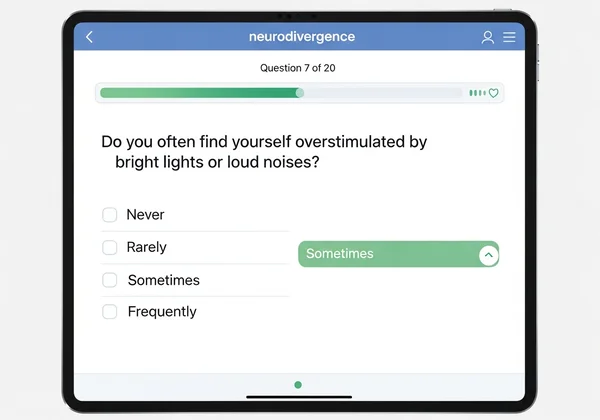
The Neurodivergent Test is a free online tool designed to help you explore your traits in a simple, accessible way. It consists of 10 scenario-based questions that look at your tendencies in social situations, attention, and daily habits. It is not a diagnostic tool, but it provides personalized insights that can serve as a valuable starting point for your journey toward self-understanding.
Final Thoughts
Understanding neurodivergence in women and non-binary individuals is a vital step towards self-acceptance and a more inclusive world. By recognizing the subtle signs, understanding the toll of masking, and validating your own experiences, you empower yourself to live more authentically. Your unique brain is a valid and valuable part of who you are.
Understanding your neurotype unlocks self-compassion. Take our free neurodivergent test to start mapping your unique strengths today.
Take the Neurodivergent Test Now
Frequently Asked Questions About Neurodivergence in Women & Non-Binary Individuals
What are the common signs of neurodivergence in adult women?
Common signs often include intense, deep interests, social burnout after "performing," high emotional sensitivity (including RSD), sensory issues with light or textures, and challenges with executive functions like planning or starting tasks.
How do patterns of "masking" impact neurodivergent women and non-binary individuals?
Masking hides a person's true struggles, making it difficult for others to see their challenges. This often leads to extreme burnout, chronic anxiety, a lost sense of identity, and significant delays in receiving a correct diagnosis and support.
Can you be neurodivergent without having a diagnosis of ADHD or autism?
Yes, absolutely. Neurodivergence is a broad umbrella term that includes many conditions beyond ASD and ADHD, such as dyslexia, dyspraxia, Tourette's syndrome, and others. It simply means having a brain that processes information in a way that differs from the "neurotypical" standard.
Is the NeurodivergentTest.org suitable for non-binary people?
Yes. The test is designed to be inclusive for everyone. Its questions focus on internal experiences, traits, and behavioral patterns, not on outdated, gendered stereotypes. It aims to help anyone begin their self-exploration journey, regardless of gender identity.
What should I do if I suspect I might be neurodivergent after taking a test?
Consider the result as a starting point for further learning. You can read books and blogs by neurodivergent creators, connect with online communities to hear about others' lived experiences, and explore self-help strategies. If you feel it's right for you, you can also seek a formal assessment from a qualified professional. Our library of neurodiversity guides helps you navigate next steps—explore strategies tailored to your traits.